
Down Under AI · News
Hurt online? You could soon be able to sue tech giants
A new deal in Canberra would let everyday Australians take social media companies to court over harm. It still has to pass the Senate.
The short version
- Labor and the Greens made a deal on Tuesday 24 November on new online safety laws, called the digital duty of care.
- Australians would get the right to sue social media companies for harm they suffer online.
- The top fine would rise to 5% of a platform’s worldwide income, and AI chatbots would have to protect kids too.
What happened
A “duty of care” means you have to take reasonable steps to keep people safe. Builders have one. So do schools. The government wants tech companies to have one too.
Its plan is called the digital duty of care. It would make big platforms like Facebook, TikTok and Instagram take reasonable steps to protect children from harms such as bullying, misogyny (hatred of women) and content that promotes eating disorders.
On Tuesday, Labor did a deal with the Greens to get the laws through the Senate. In return, Labor agreed to some big changes:
- The right to sue. Australians would be able to take social media companies to court for harm suffered online. Right now, that’s very hard to do.
- Much bigger fines. The top penalty would be up to 5% of a platform’s global revenue, which means the money it makes worldwide. Labor had first planned a cap of $109.2 million.
- Tackling “addictive” design. Platforms would have to look at features like endless doomscrolling when they assess risks.
- A complaints body, maybe. The government would get powers to set up a digital complaints ombudsman in the future. An ombudsman is an independent body that sorts out complaints.
The laws would also let Australians aged 16 and over switch off feeds chosen by the app’s algorithm, and just see posts from accounts they follow. An algorithm is the computer formula an app uses to decide what to show you.
Where AI comes in
The laws don’t only cover social media. According to The Guardian, they would apply to social media, games, apps and chatbots.
In October, the government agreed to a change from independent MP Kate Chaney. It would require platforms to ban chatbot “material or conduct that simulates emotional intimacy” and encourages a child to depend on it instead of real people. In plain English, AI chatbots shouldn’t pretend to be a child’s best friend.
Why it matters for Australians
Lots of Aussie kids already use AI chatbots. In a survey of 1,950 children aged 10 to 17, the eSafety Commissioner found 79% had used an AI assistant or an AI companion (a chatbot sold as a friend).
Communications Minister Anika Wells spoke directly to parents. “We have your backs,” she said.
Until now, our online safety laws have mostly relied on the eSafety Commissioner to hold tech companies to account. The new laws would put more of the job on the companies themselves.
Is this good or bad?
Mostly good for Australian families, with some open questions.
The good: big tech would have to take real responsibility for harm, just like other companies selling products here. Fines tied to worldwide income could actually hurt a giant company’s bottom line. And it’s good to see AI chatbots included.
The open questions: going to court is slow, costly and stressful. Ms Wells herself said she imagined it would be “fairly rare” for Australians to sue. The Coalition opposes the bill and has raised concerns about freedom of speech. And none of this is law yet. It still has to pass the Senate.
What you can do
- Talk with your kids. Ask which apps and chatbots they use, and what they like about them. Keep it a chat, not a lecture.
- Report serious harm now. You don’t have to wait for new laws. eSafety can help with cyberbullying of children, serious adult cyber abuse and intimate images shared without consent.
- Look out for the new feed settings. If the laws pass, try switching off the algorithm feed and see if you like it better.
- Get help if you need it. Kids Helpline (1800 55 1800) is there for 5 to 25 year olds, and Lifeline (13 11 14) for everyone.
Keeping kids safe online shouldn’t be up to parents alone. It’s good to see tech companies being asked to share the load.
Want stories like this in plain English, straight to your inbox? Subscribe to Down Under AI free.
Sources
ABC News (Clare Armstrong)The Guardian (Josh Butler)eSafety CommissionereSafety Commissioner
About the author
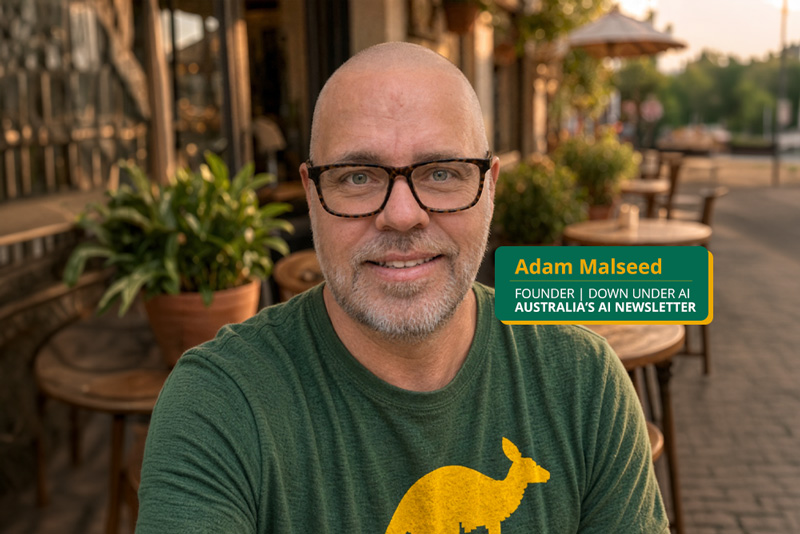
Adam Malseed
Founder & writer · Down Under AI
Adam writes about AI in plain English for everyday Australians, covering what’s changing, why it matters and how to use it. No hype, no jargon.
More about Adam →Send this to a mate